I have been taken from the arms of my mother, from my village hidden deep within the secluded southern jungle. A new leader has come to take control, and lead us to a new era of prosperity, free from western grasp. I was separated from my family soon after we had been extracted and were en route to our new place of residence. That was the last I ever saw of them. They might be alive. They might have lasted long enough to be saved. They might outlast me.
I was designated a suitable candidate to help the new regime cement the foundations of our newly established civilization. I, along with a few others my age, were incentivized to obey their instructions, do whatever they asked of us. Whatever our people, and the future of our country needed from us. Those who refused became our first test subjects.
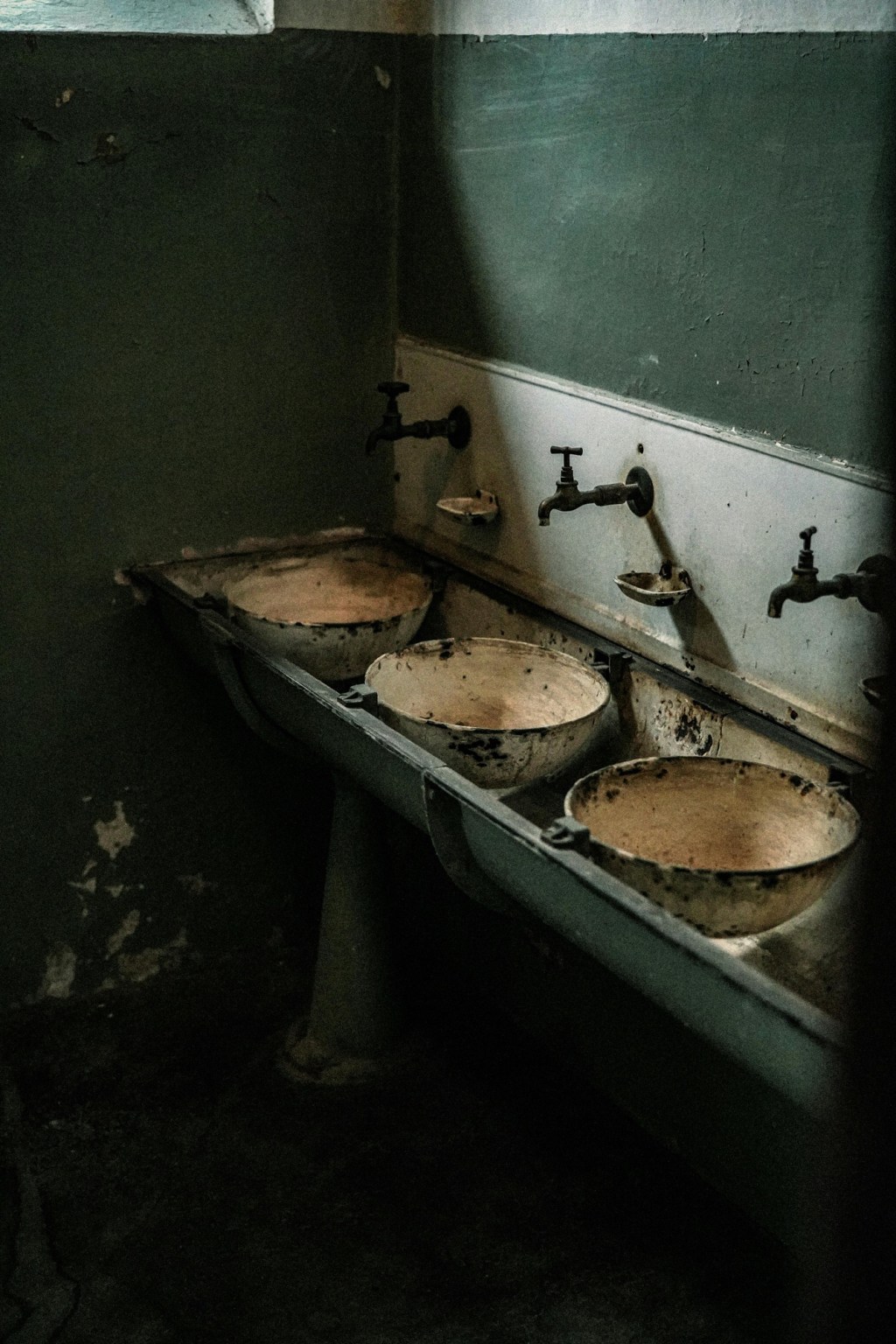
I had worked in different areas of the country. I went wherever I was needed. Performed increasingly important experiments. Those are the ones I now remember most clearly. The patients who have never left. I still see them in my dreams. I hear them as I wear my gloves and walk towards the rotting wooden doors leading into the clinic. It is nothing more than an old school that has been transformed into a prison. I have been allotted a small room in the outskirts of the building, where the bathroom used to be. The taps no longer run. Instead, I am brought barrels of water every morning. The water has a slight metallic smell to it.
Coconut juice was injected into the bloodstreams of some patients, as an alternative to western medicine. The results were of little use, as the patients died before we could draw any meaningful observations. The practice was halted in my clinic, though I have heard that it continued elsewhere.
Human anatomy was hidden to us among the ash of the books our regime burnt. I had to examine it from scratch. As the hospitals were abandoned, and the equipment destroyed, we had no optimal means of doing so. The few scraps of tools we had managed to salvage were too heavy for me to grasp.
A technique I often used during my two-year employment was to cut open the chest of women sent to me from elsewhere in the school, and examine the beating heart for a few seconds before it stopped. How they screamed, begging for mercy. Was I not simply ending the suffering inflicted on them by my colleagues next door?
In order to examine the relationship between the removal of organs and the mortality of patients, I had often surgically removed the intestines of those who were unluckier than I was. The patients were thrown into nearby lakes for 24 hours, after which they were taken out and examined. Had they survived, the experiment would repeat, until they had stopped responding.
I recorded my observations in a notebook that had been permanently locked to the desk in the corner of the room, only accessed by the head of the prison. Once I had written my observations at the end of each day, I could no longer look back upon my prior experiments. My memory often failed me, as it was tainted by the cries of those lying, bound to their beds.
The guards had fled the building when they received reports of the invading army. They had killed all remaining prisoners before leaving, yet they hadn’t the time to burn the records that were kept by myself and my superiors. They had left me in the middle of an operation, along with the notebook locked to my desk. Soldiers stormed into the room. They had located me, overhearing the screams of my subject, her cries of mercy. They were too late to save her.


Leave a Reply